What is the Martingale strategy in roulette?
Understanding the Martingale Strategy in Roulette
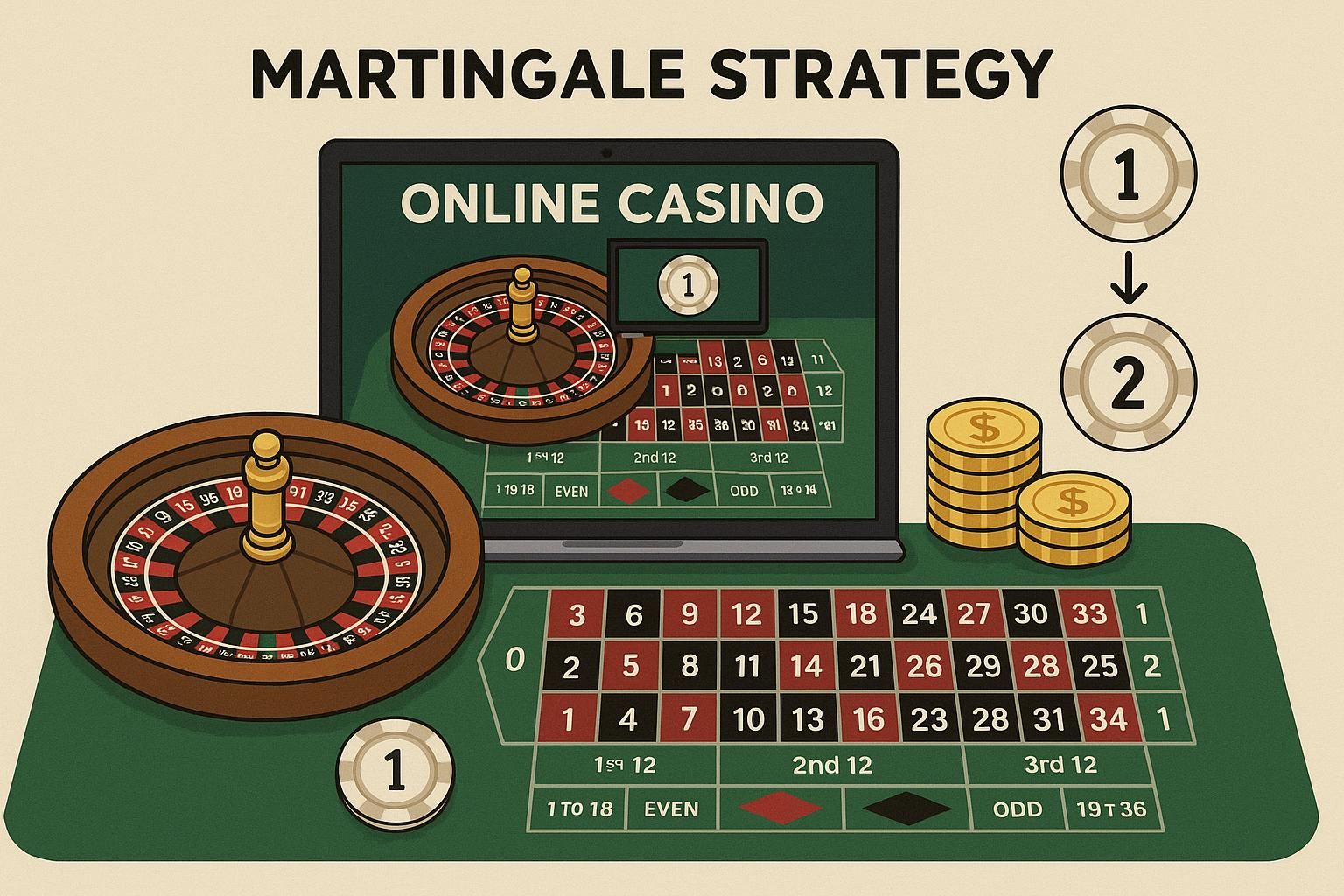
The Martingale strategy is a well-known betting system that has been employed for centuries in the pursuit of increasing profits in games of chance, particularly in the context of roulette. Originating in 18th-century France, this strategy is noted for its simplistic approach, which relies on the principle of doubling bets after each loss. Primarily, it is used in scenarios where the betting outcomes are close to 50/50, such as wagering on red or black in roulette. This approach aims to maximize the probability of eventually recovering losses and achieving a profit equivalent to the initial bet after a winning round.
Basic Principles
The core concept of the Martingale strategy revolves around the notion of compensating all previous losses with a singular win. In practice, after experiencing a loss, the player increases their bet twofold in anticipation of an impending win that would offset previous deficits and secure a profit equal to the initial stake. While this technique may optimize potential outcomes from a probability perspective, it is not without its risks, such as the possibilities of encountering table limits or exhausting one’s entire bankroll.
Application in Roulette
The utilization of the Martingale strategy in roulette predominantly involves what are known as even-money bets. These bets include choosing options like red or black, odd or even numbers, and high or low figures. Although the potential for frequent yet small wins can appear attractive to many gamblers, a comprehensive understanding of the limitations is vital. Such constraints include the presence of table limits that restrict maximum bet amounts, as well as the amount of capital the player is willing or able to risk.
Advantages and Disadvantages
There are distinct advantages associated with employing the Martingale strategy. Primarily, its appeal lies in the simplicity and the alluring prospect of regular, if modest, gains. When applied without hindrance, players can recoup their losses and enjoy a slight profit. Despite these benefits, a range of disadvantages accompany the Martingale strategy. A significant drawback is the potential for experiencing substantial losses during an unpropitious sequence of events. This is exacerbated by the dual challenges posed by table limits and personal financial constraints, which can prevent players from continuing to double their wagers until a win occurs, forcing them to accept losses without the chance of recovery.
Risk Management becomes an essential component of successfully employing the Martingale strategy. It is advisable for players to clearly delineate their maximum tolerable loss and proactively establish stop-loss limits, helping shield themselves from unexpected financial strain.
Understanding Table Limits
In a roulette game, table limits are set to control the minimum and maximum bets that can be placed on a single round. These limits are critical to the Martingale strategy, as they can hinder the player’s ability to double bets continually to offset losses. For example, if a player reaches the table’s maximum limit, they can no longer double their bet, which effectively stops the progression needed to recoup losses. This constraint makes understanding and strategizing around table limits fundamental for anyone considering the use of this betting strategy.
The Bankroll Factor
The concept of a bankroll, or the total amount of money a player has set aside for gambling purposes, is equally significant when using the Martingale strategy. An adequate bankroll must be substantial enough to withstand extended sequences of losses before a win resets the cycle and allows for profit. Players must be keenly aware of their financial boundaries and never exceed their self-imposed limits, regardless of how promising the Martingale strategy may seem. The risk of depleting one’s bankroll without recouping losses is an ongoing concern with this betting style.
Effect on Game Dynamics
Utilizing the Martingale strategy also affects the dynamics of the game and player psychology. The constant pressure to double bets may lead to increased stress and impulsive decision-making, overshadowing the enjoyment typically associated with gambling. Additionally, this strategy might encourage the belief in patterns or unlikely outcomes based on past gaming history, which can further complicate rational betting behavior. Understanding the psychological influences of the Martingale strategy is critical for anyone who intends to incorporate this approach into their gaming routine.
Balancing Strategy and Fun
For many players, the intrigues of gambling hinge not merely on the potential for financial gain but also on the thrill of the game itself. It is essential for users of the Martingale strategy, or any gambling strategy, to strike a balance between strategic play and sheer enjoyment. Approaching games with a level-headed mindset and clear objectives can help maintain this balance, ensuring that the escapism and entertainment value of gambling are not overshadowed by financial risks and pressures.
Conclusion
In conclusion, the Martingale strategy represents one of the most renowned betting methodologies available, particularly in games like roulette, due to its straightforward nature. Despite its apparent ease of implementation, a cautious approach is necessary to fully comprehend and mitigate the inherent risks involved. This strategy does not alter the fundamental odds of winning in roulette and can result in substantial financial losses if applied without careful consideration and management. Therefore, while the Martingale strategy may offer an alluring way to engage with gambling, players should practice meticulous scrutiny and precise limit setting to avoid unfavorable outcomes.
For those interested in delving further into the world of gambling strategies and their effects, it may be beneficial to explore additional resources and articles authored by experts in the field. By augmenting your understanding, you can enhance both your strategic capabilities and your overall gambling experience.